


Launch Now coolant leaking from engine block curated webcast. Complimentary access on our media destination. Submerge yourself in a sprawling library of binge-worthy series demonstrated in crystal-clear picture, designed for prime viewing geeks. With fresh content, you’ll always have the latest info. Browse coolant leaking from engine block recommended streaming in breathtaking quality for a genuinely engaging time. Connect with our content portal today to observe solely available premium media with no payment needed, subscription not necessary. Experience new uploads regularly and uncover a galaxy of groundbreaking original content tailored for superior media fans. Act now to see distinctive content—get it in seconds! Explore the pinnacle of coolant leaking from engine block singular artist creations with flawless imaging and curated lists.
This comprehensive article explores signs of coolant leaks, their causes, and the critical role coolant plays in engine performance A coolant leak can compromise its ability to regulate temperature, leading to overheating If coolant mixes with engine oil, it can create a milky substance known as chocolate milk. this is a clear indicator of an internal coolant leak, potentially from the engine block. Learn the 7 common reasons for a coolant leak and how to find and fix it
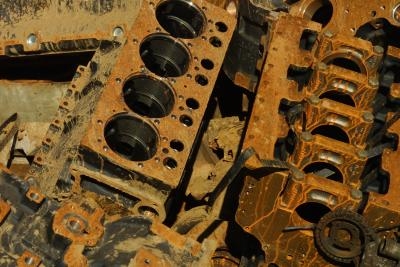
Find out the price to repair a coolant leak and when to seek professional help. A coolant leak from the engine block can occur due to various reasons, including engine overheating, corrosion, or physical damage to the block Over time, the engine block can develop cracks or holes, allowing coolant to escape. Common sources of coolant leaks 1
If the head gasket fails, coolant, and engine oil may mix You may also notice that coolant is leaking from the bottom of the engine and dripping onto the ground. Learn why coolant leaks from the engine block and how to fix it Find out the possible reasons, such as cracked engine block, radiator problems, water pump failure, or blown head gasket.
Coolant leaking from under your car Discover 8 common leak spots like the radiator or water pump, plus how to diagnose and fix them fast Get expert tips to stop leaks before your engine overheats and save $1,000+ in repairs! Discover exactly what causes coolant leaks in your car—from worn hoses to blown head gaskets

Average repair cost is $8,000 at 218,000 miles. In my experience, the best approach is to regularly check coolant levels and inspect the engine bay for signs of leaks Maintaining a clean engine bay can also help in identifying leaks early, as dirt and grime can hide small leaks In conclusion, coolant leaks are a common issue in automotive systems that can arise from various components.
What's actually going on inside Think of your engine's cylinder head and block as two massive metal slabs clamped together Sandwiched between them is the head gasket, a crucial seal that prevents coolant and oil from mixing with the combustion process It's a complex piece of engineering, designed to withstand immense heat and pressure.
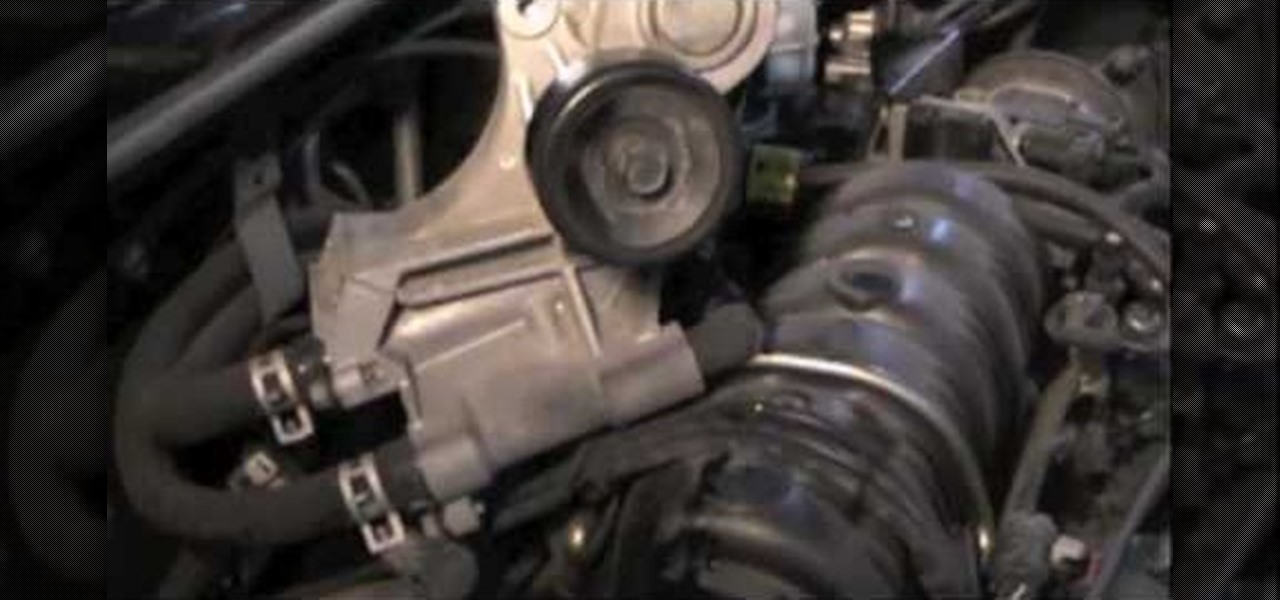
Antifreeze leaking from bottom of engine this guide shows simple checks and fixes to save your car and money If the head gasket fails, coolant, and engine oil may mix in short, coolant may be pouring out of the bottom of your car because of the damaged pipe, broken water pump, cracked engine block or head, leaking radiator, etc The n62 engine contains an internal coolant transfer pipe that runs inside the v8 block, passing coolant between the water pump and the rear of the engine The cooling system protects the engine from overheating and maintains optimal operating temperature
A leak in this system can lead to higher risk of engine damage, poor performance, and costly repairs Recognizing cooling system leak symptoms early helps prevent overheating and environmental hazards from spilled coolant This article explains the most frequent signs, how leaks occur, and. A coolant leak might start as a small puddle under the car or a slight drop in the coolant reservoir level

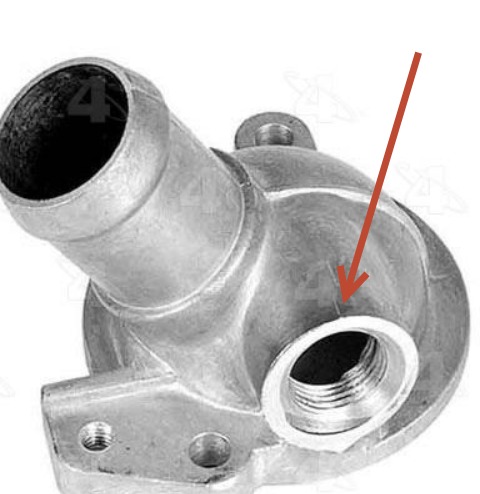
A thermostat housing coolant leak commonly causes gradual coolant loss and overheating, typically identified by persistent damp spots near the radiator hose attachment
The Ultimate Conclusion for 2026 Content Seekers: To conclude, if you are looking for the most comprehensive way to stream the official coolant leaking from engine block media featuring the most sought-after creator content in the digital market today, our 2026 platform is your best choice. Don't let this chance pass you by, start your journey now and explore the world of coolant leaking from engine block using our high-speed digital portal optimized for 2026 devices. We are constantly updating our database, so make sure to check back daily for the latest premium media and exclusive artist submissions. Enjoy your stay and happy viewing!