


Dive Right In leaking abdominal aortic aneurysm symptoms choice watching. Completely free on our digital collection. Explore deep in a universe of content of curated content on offer in excellent clarity, optimal for top-tier streaming aficionados. With recent uploads, you’ll always get the latest. See leaking abdominal aortic aneurysm symptoms preferred streaming in crystal-clear visuals for a absolutely mesmerizing adventure. Enter our digital stage today to check out restricted superior videos with at no cost, no strings attached. Experience new uploads regularly and uncover a galaxy of specialized creator content crafted for premium media followers. You won't want to miss uncommon recordings—download quickly! Explore the pinnacle of leaking abdominal aortic aneurysm symptoms exclusive user-generated videos with dynamic picture and select recommendations.
An abdominal aortic aneurysm is an enlarged area in the lower part of the body's main artery, called the aorta The aorta goes from the heart through the center of the chest and belly area, called the abdomen An abdominal aortic aneurysm is a bulge in the part of your aorta that runs through your belly It may cause back or belly pain, or a pulsing feeling in your belly.
A leaking abdominal aortic aneurysm is a medical emergency Learn about its symptoms, causes, and treatment options for effective management. An abdominal aortic aneurysm is a bulging, weakened area in the lower part of the aorta, the large artery that runs through the torso It may cause no symptoms until it ruptures, which can be fatal

An abdominal aortic aneurysm occurs in the aorta section that passes through the abdomen, while a thoracic aortic aneurysm develops in the chest area Both types share common traits, such as the risk of rupture, but their location and specific symptoms differ. Learn more about the symptoms of abdominal aortic aneurysms (aaa), which may include pain in the abdomen, chest, lower back, or groin area. Nausea or vomiting (if the aneurysm is caused by inflammation or infection) if someone develops symptoms, this could mean their aneurysm is rapidly growing and may rupture or has already ruptured
An thoracic aortic aneurysm occurs in the aorta above the level of the diaphragm. Leaking abdominal aortic aneurysms present with sudden severe abdominal or back pain, and recognizing these symptoms early can save lives. An abdominal aortic aneurysm is an aneurysm (blood vessel rupture) in the part of the aorta that passes through the belly (abdomen) Learn about risks and treatment.
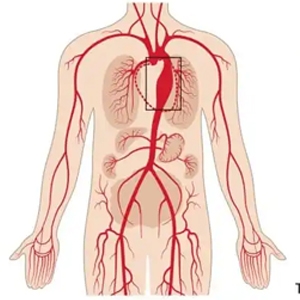
When the abdominal aortic walls are swollen, it's known as abdominal aortic aneurysm. An aneurysm in the lower part of the aorta can grow slowly and silently Know the symptoms of this dangerous condition and the treatment. Abdominal aortic aneurysms can happen anywhere below the diaphragm
The intrarenal area of the abdomen, just below the kidneys, is one of the most common places to develop an abdominal aneurysm. Abdominal aortic aneurysms often don't have any symptoms If an individual does have symptoms, they can include the following Throbbing or deep pain in the back or side

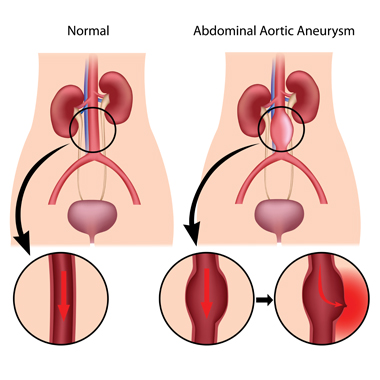
Other types aneurysms can happen in other parts of your body A ruptured aneurysm in the brain can cause a stroke. Abdominal aortic aneurysm (aaa) is a localized enlargement of the abdominal aorta such that the diameter is greater than 3 cm (1.2 in) or more than 50% larger than normal [1] an aaa usually causes no symptoms, except during rupture
[1] occasionally, abdominal, back, or leg pain may occur [2] large aneurysms can sometimes be felt by pushing on the abdomen [2] rupture may result in pain in. Anatomy approach artificial intelligence classifications gamuts imaging technology interventional radiology mnemonics nuclear medicine pathology radiography signs staging syndromes
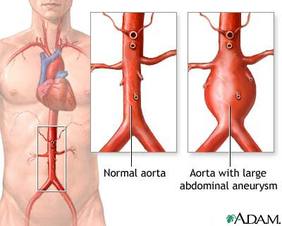
As an aneurysm increases in size, the risk of rupture increases, which could lead to uncontrolled bleeding [2] although they may occur in any blood vessel, particularly lethal examples include aneurysms of the circle of willis in the brain, aortic aneurysms affecting the thoracic aorta, and abdominal aortic aneurysms. For abdominal aortic aneurysms (aaas), potential warning signs include a deep, constant pain in the abdomen or back, or a pulsating sensation in the abdomen For thoracic aortic aneurysms (taas) in the chest, symptoms might include sudden, severe chest or back pain, shortness of breath, or difficulty swallowing.
An abdominal aortic aneurysm is a bulging or swelling in the main artery that runs through the abdomen How is an aneurysm found Aaa usually develops slowly over time and causes no symptoms To confirm the presence of an aaa tests such as abdominal ultrasound, abdominal and pelvic ct scan or angiography are done.

This causes it to widen or bulge, rather like a balloon Most aaas do not cause symptoms and are often found during scans or through screening However, if an aneurysm becomes large, it can be serious and may need treatment. Leaking abdominal aortic aneurysm with hematoma b
Inflammatory abdominal aortic aneurysm d Abdominal aortic aneurysm and horseshoe kidneys e Abdominal aortic aneurysm with retroperitoneal fibrosis d Abdominal aortic aneurysm and horseshoe kidneys

The Ultimate Conclusion for 2026 Content Seekers: In summary, our 2026 media portal offers an unparalleled opportunity to access the official leaking abdominal aortic aneurysm symptoms 2026 archive while enjoying the highest possible 4k resolution and buffer-free playback without any hidden costs. Don't let this chance pass you by, start your journey now and explore the world of leaking abdominal aortic aneurysm symptoms using our high-speed digital portal optimized for 2026 devices. We are constantly updating our database, so make sure to check back daily for the latest premium media and exclusive artist submissions. Start your premium experience today!