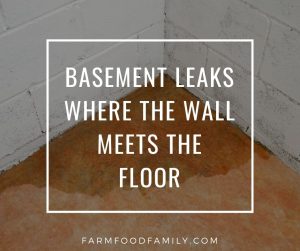



Jump In basement leaks where wall meets floor superior digital broadcasting. Subscription-free on our on-demand platform. Be enthralled by in a large database of tailored video lists highlighted in 4K resolution, designed for deluxe streaming patrons. With fresh content, you’ll always be informed. Locate basement leaks where wall meets floor organized streaming in retina quality for a genuinely gripping time. Become a part of our media world today to peruse exclusive premium content with absolutely no cost to you, no subscription required. Get fresh content often and discover a universe of specialized creator content designed for prime media buffs. You won't want to miss specialist clips—get a quick download! Discover the top selections of basement leaks where wall meets floor special maker videos with flawless imaging and top selections.
Learn how to stop water seepage and keep your basement dry for good. Basement water leaks are a common concern for many homeowners, especially when the water seeps in where the wall meets the floor This vulnerable area, known as the cove joint, can lead to significant water damage, mold growth, and even structural issues if left unaddressed. What is a basement wall leak
Your basement was made by digging a sizable pit and filling it with concrete The concrete footing ultimately supports your foundation walls poured in the basement, which also keeps it from rising or settling The cove joint, which restricts lateral movement, is the area where the wall meets the footing. If you've asked, why is water coming in my basement where the walls meet the floor, chances are your foundation is experiencing hydrostatic pressure
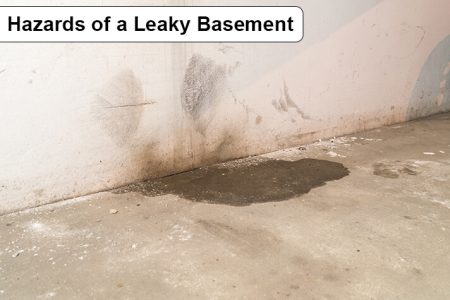
Basement leaks where the wall meets the floor is a common problem Certain types of foundations are more vulnerable to leaking Learn more about basement wall and floor leaks and how to fix them. A basement leaking where wall meets floor is most often caused by cove joint cold joint seepage — here's how to diagnose it, what it costs to fix, and when to call a pro.
Experiencing basement leaks where the floor meets the wall Discover effective solutions to fix this issue and prevent further water damage. Understanding the water leak at basement wall and floor junction the junction where your basement wall meets the floor is notoriously vulnerable to water leaks Hydrostatic pressure from surrounding soil, foundation shifts, or tiny cracks can all combine to allow moisture to creep inside.
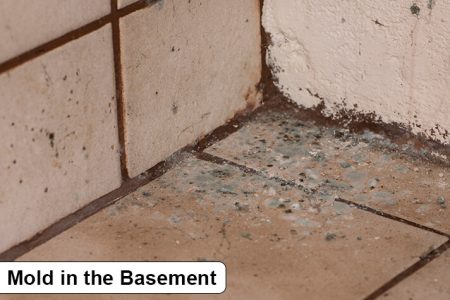
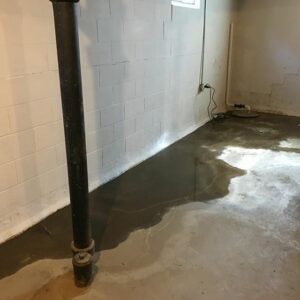
You might notice dark spots, damp carpeting, or actual standing water in the basement after a heavy missouri downpour If left ignored, this water intrusion ruins drywall and turns your storage space into a swampy, smelly mess. These drains remove surface water from spills or appliance leaks and connect to the sump system Installed beneath the basement floor, these drains relieve pressure on the foundation walls by collecting groundwater and directing it to the sump.
While more involved, insulating the basement floor can make a significant difference This can be done by installing a subfloor system with insulation underneath Seal any cracks or gaps in the foundation walls and around windows and doors with caulk or expanding foam. A lot of basement dampness appears where the floor slab meets the foundation wall

To identify water origin, inspect the basement perimeter for leaks or seepage Since the sump pump is shared and located offsite, it may not effectively remove groundwater from your unit. Highly absorbent water mats are perfect for cleaning up water in the basement after rain or snow and in the basement where walls meet the floor They are ideal for cleaning up standing water in garage, water leaking into garage, or combating condensation on a garage floor.
Basement waterproofing leaking wall cracks wet walls basement leak repair sump pumps french drains musty smells waterproof coatings standing water foundation waterproofing structural repair sagging floor joists foundation drainage solutions poor drain flow ponding gutter systems grading adjustments yard drainage downspout extensions french. However, rising groundwater can infiltrate a basement quietly, without any surface signs Hydrostatic pressure, the force exerted by water in the soil, pushes moisture against foundation walls Over time, this pressure can force water through microscopic cracks, porous concrete block, or the seam where the wall meets the floor slab.
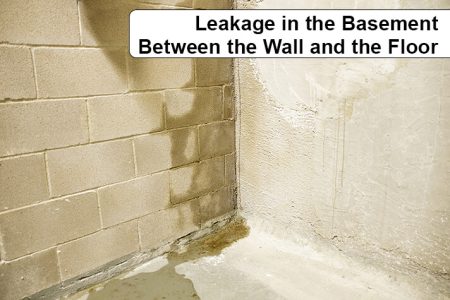
Left unchecked, they can degrade your home's foundation, cause mold and mildew, and increase the likelihood of having pests In this article, we'll take a look at why a basement might leak where the wall meets the floor. We would like to show you a description here but the site won't allow us. As water accumulates, pressure builds around basement walls and floors, setting the stage for leaks or full flooding
Even moderate spring storms can trigger this process, especially in areas with older drainage infrastructure or dense clay soil like cumberland. Concrete is a porous material, meaning water can still seep through your foundation walls But the most common place that leaks water is where your basement walls meet your floor This is called a cove joint, and it exists because your walls and floors were poured separately during construction.
Wrapping Up Your 2026 Premium Media Experience: Finalizing our review, there is no better platform today to download the verified basement leaks where wall meets floor collection with a 100% guarantee of fast downloads and high-quality visual fidelity. Don't let this chance pass you by, start your journey now and explore the world of basement leaks where wall meets floor using our high-speed digital portal optimized for 2026 devices. Our 2026 archive is growing rapidly, ensuring you never miss out on the most trending 2026 content and high-definition clips. Start your premium experience today!